

Advanced

Hello, I'm
Passionate about electronics,
PCBs, programming, rockets, and space.




Get To Know More


More than 2 years as
Hardware Development Engineer at

and


Baccalaureate Diploma 2017 — 2021
N.C. Emanuil Gojdu Oradea, Romania
B.Sc. Mechatronics and Robotics 2021 — 2025
University of Oradea, Romania
M.Sc. Technical Innovation 2026 — ongoing
Hochschule Heilbronn, Germany

Cambridge Certificate in Advanced English
Grade A | C2 Proficiency
I graduated from the National College "Emanuil Gojdu" Oradea in 2021, where I studied Natural Sciences (GPA
9.87/10; Baccalaureate GPA 9.6/10).
I hold a Bachelor's degree in Mechatronics and Robotics from the University of Oradea, Romania (240 ECTS,
GPA 9.79/10; Thesis GPA 10/10).
I am currently pursuing a Master's degree in Technical Innovation at the Hochschule Heilbronn, Germany.
In the summer of 2022, I completed an internship in the Product Engineering department at Plexus Corp.
Oradea, where I gained hands-on experience with PCB manufacturing processes.
In the summer of 2023, I completed an internship in the Automation department at CIE Golde Oradea, where
I worked with PLC programming and developed the electrical and pneumatic automation for a testing equipment.
During my studies, I participated in various technical projects and competitions. The most notable was the
qualification in the national phase of the 2023 Romanian CanSat and Rocketry competition.
In 2023 I initially joined Forvia Hella Oradea as an intern in the Battery Management Systems development department
and later advanced to the
DC‑DC Converters development team, where I worked as a Junior Hardware Development Engineer.
Since 2025 I work as Junior Hardware Development Engineer at EBM-PAPST Oradea, where I develop and validate electronic
control systems for three-phase
BLDC motor drives used in industrial ventilation and applications.
Explore My
Advanced

Basic

Intermediate

Basic

Intermediate

Intermediate

Basic

Basic

Intermediate

Intermediate

Basic

Basic

Basic

Basic

Basic
Browse My
Lorem ipsum dolor sit amet, consectetur adipiscing elit. Donec auctor, nisl eget ultricies lacinia, nunc nisl aliquam nisl, eget aliquam nunc nisl eget nunc. Donec auctor, nisl eget ultricies lacinia, nunc nisl aliquam nisl, eget aliquam nunc nisl eget nunc.

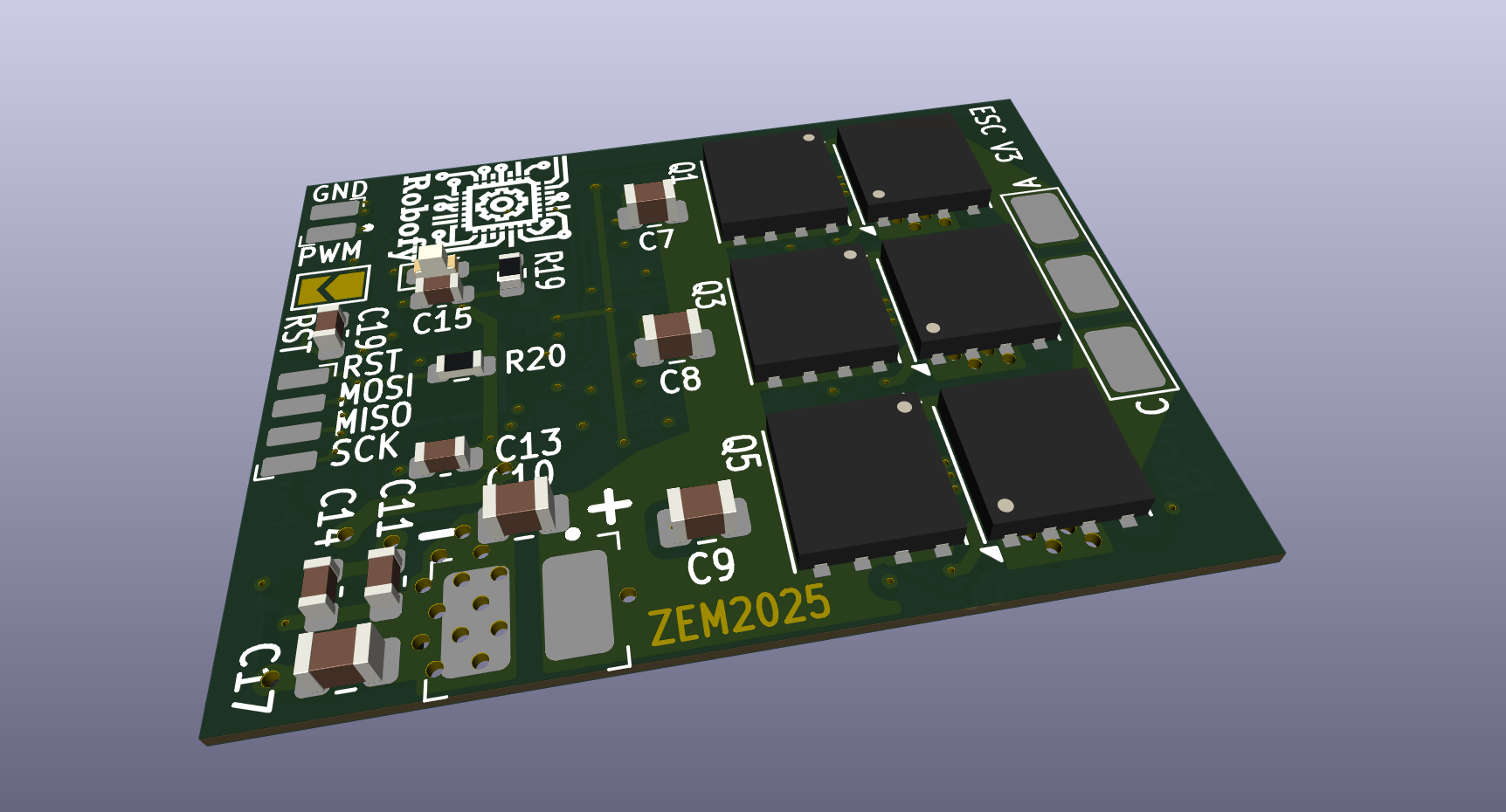
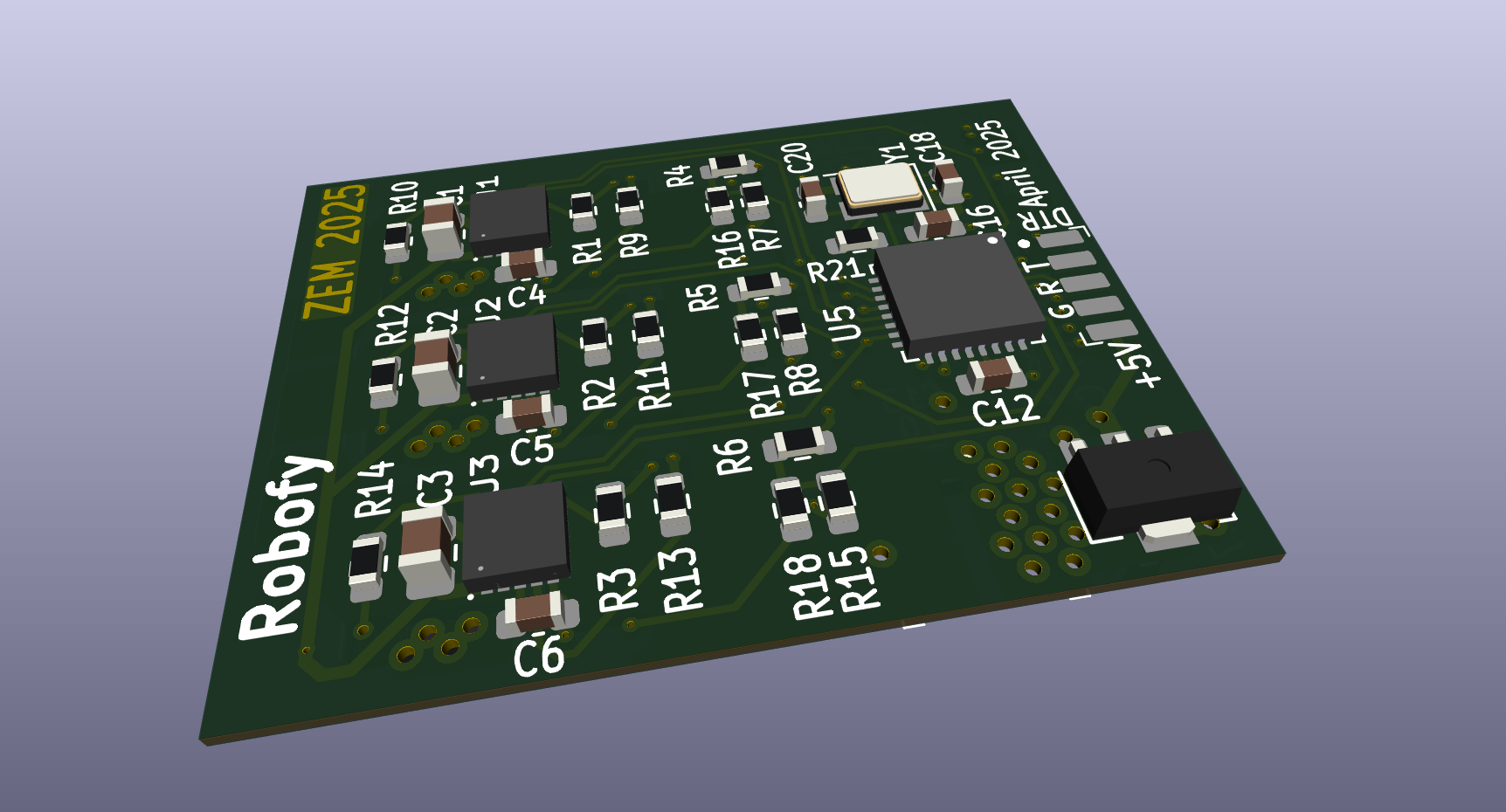
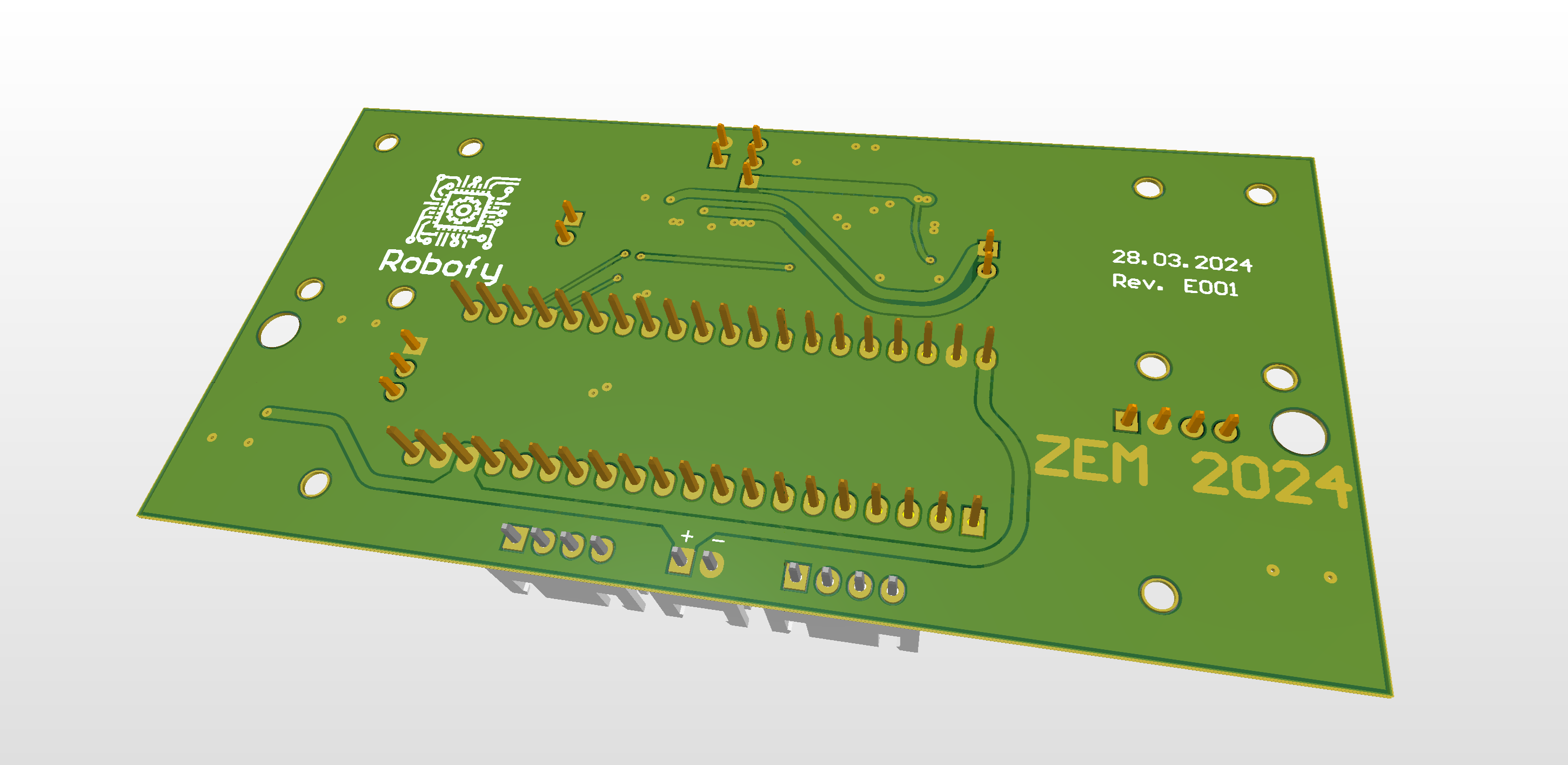
This motor driver was designed with the purpose of providing me with an extremely useful educational platform and to
control an EDF (Electric-Ducted-Fan) for a line follower robot that participated in the 2025 Mechatronics
Education Days competition in Craiova, Romania. It was the only BLDC motor driver and was regarded as the highest technical achievement.
Consisting of 6 N-Channel MOSFETs, 3 DGD05473FNQ Diodes Incorporated gate drivers and an ATmega328P
microcontroller, this driver implemented its control based on back-EMF zero-crossing detection with the internal comparator of the MCU.
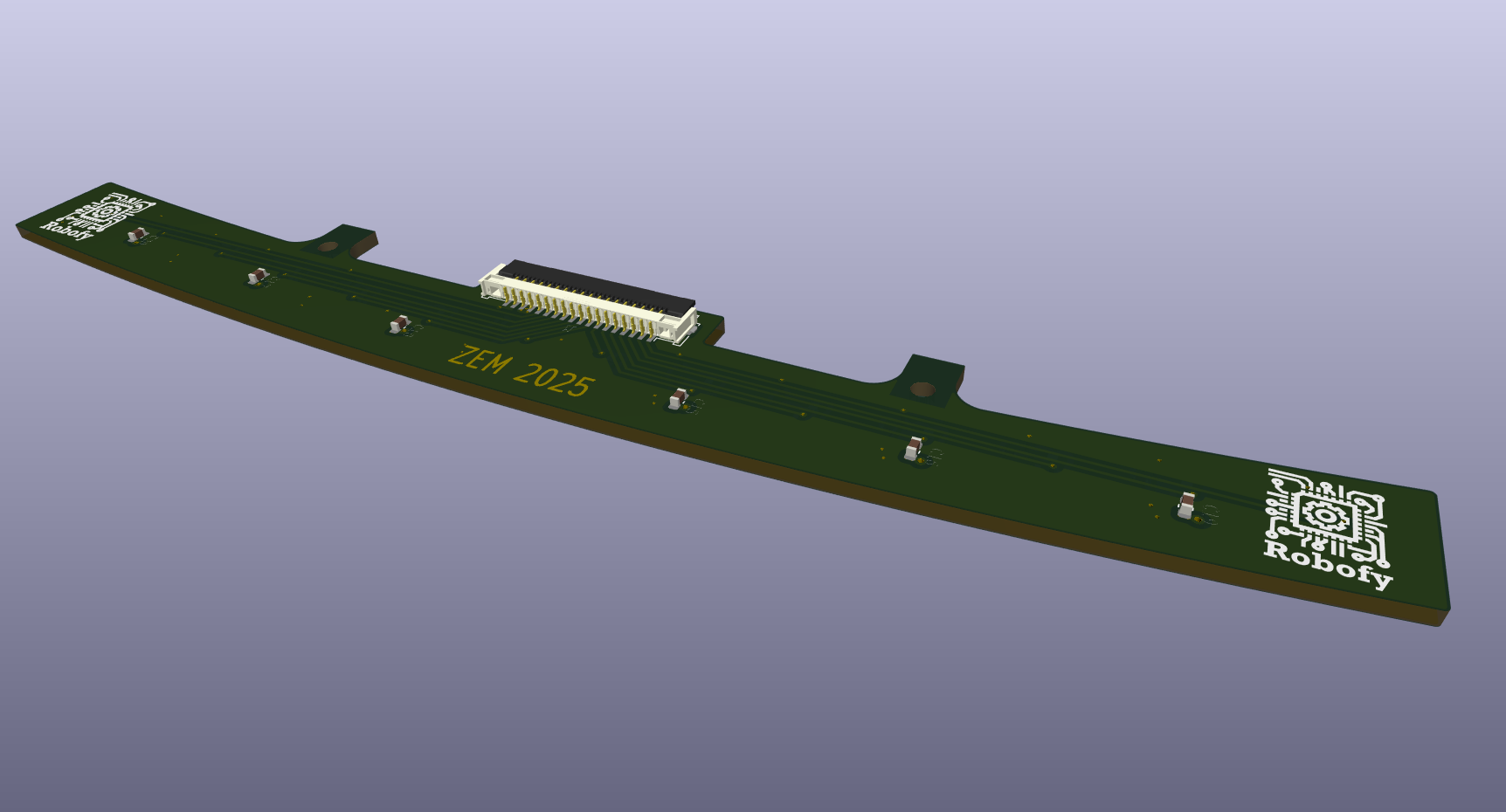
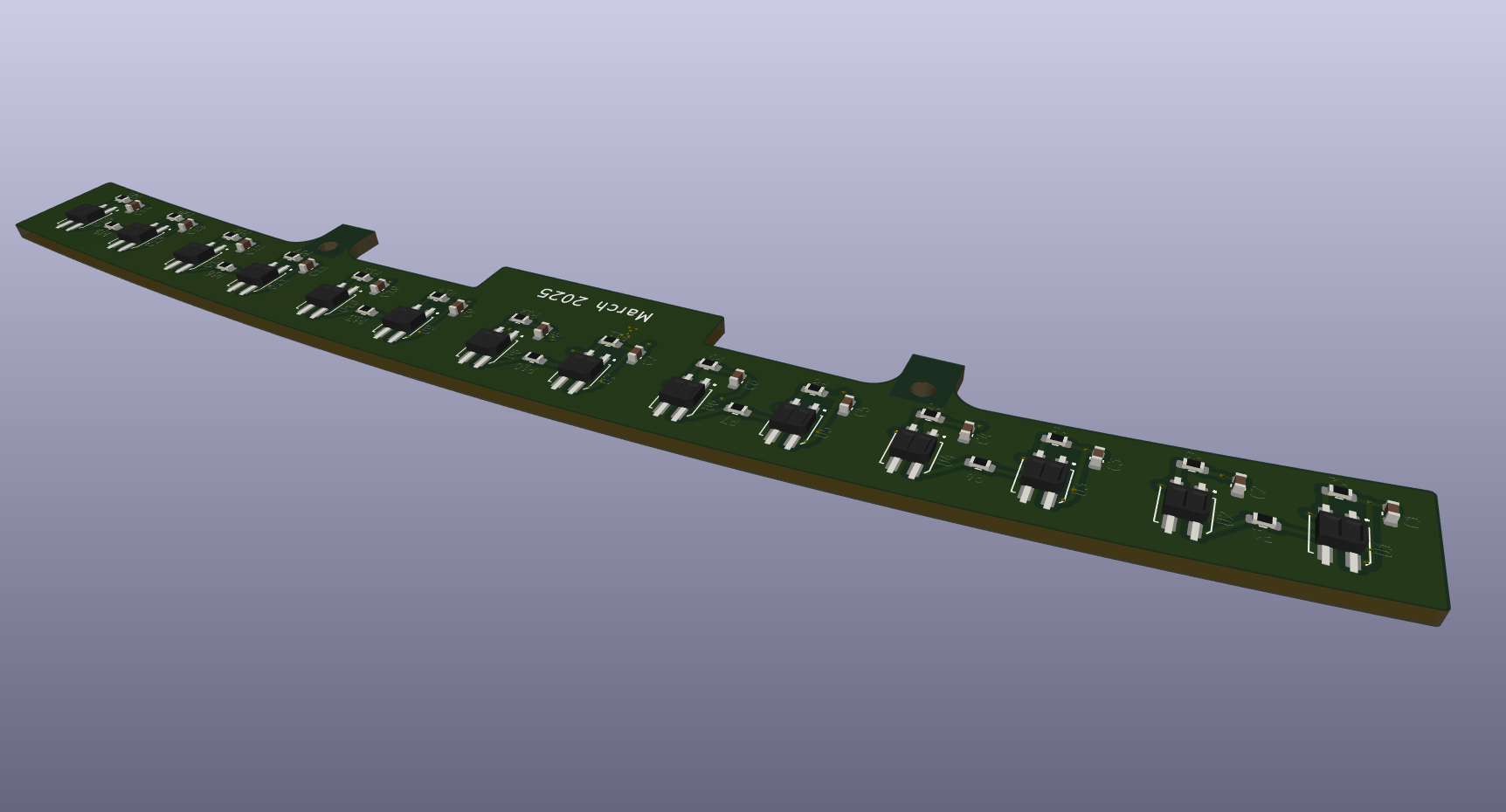
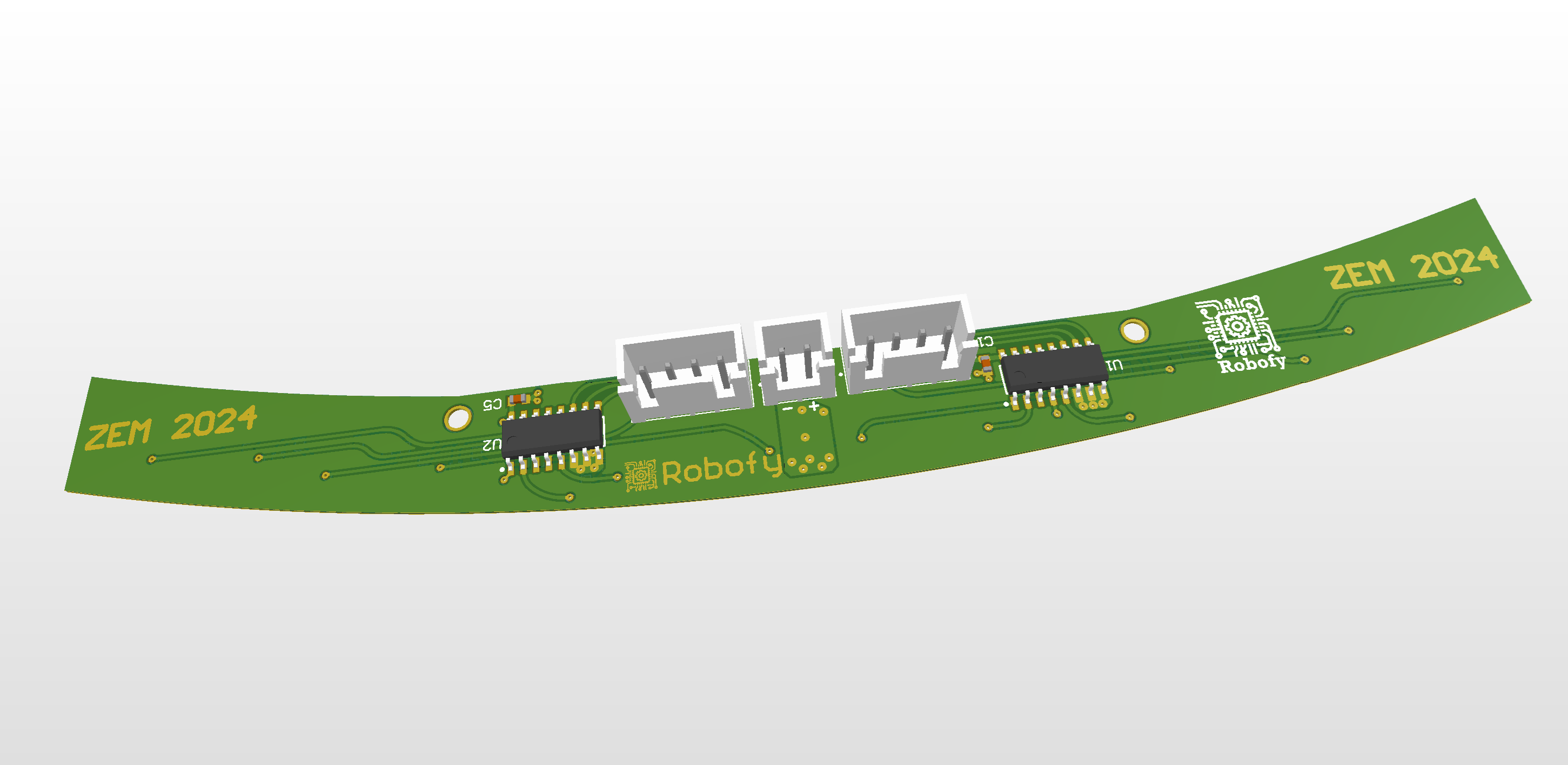
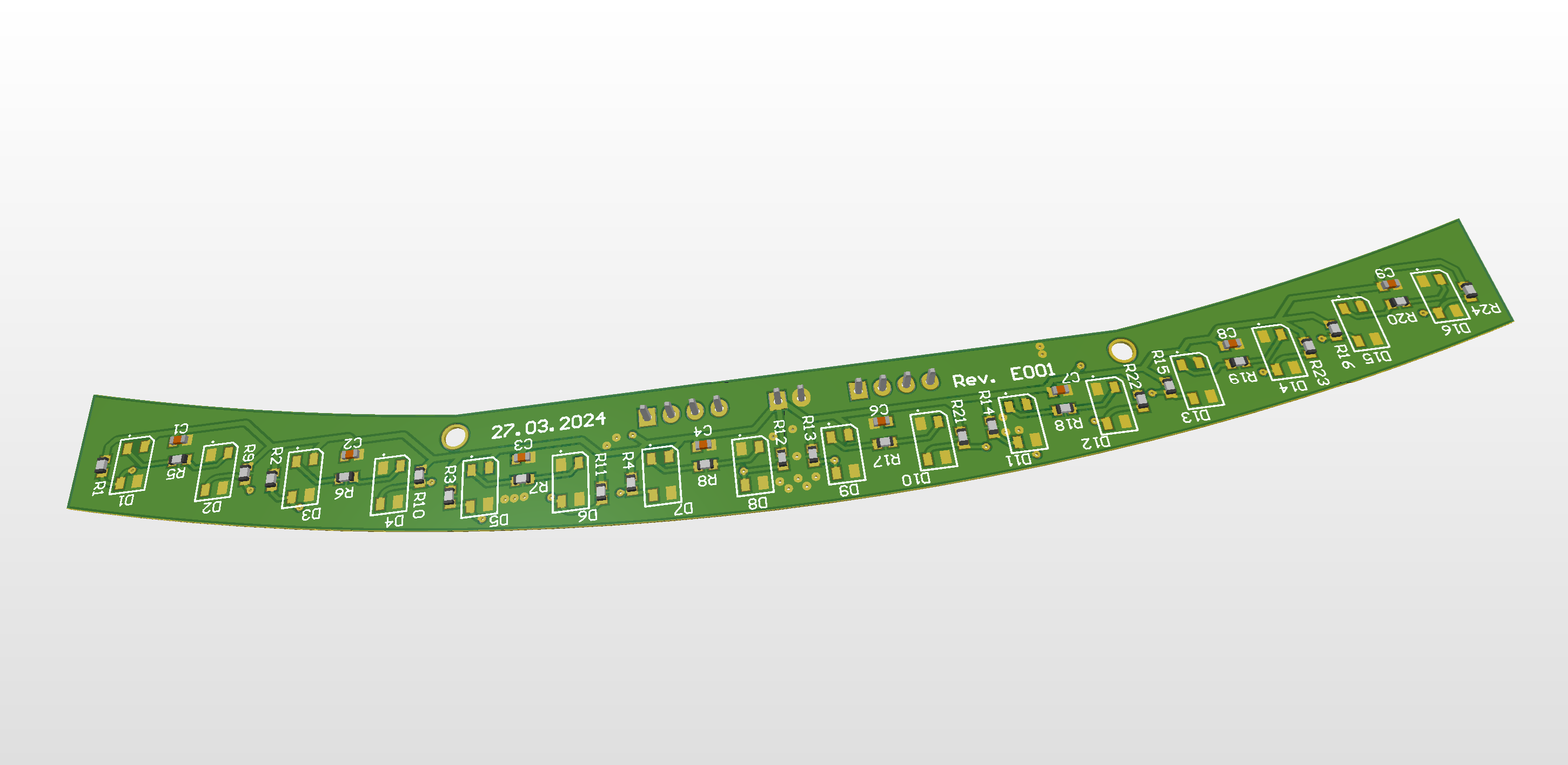
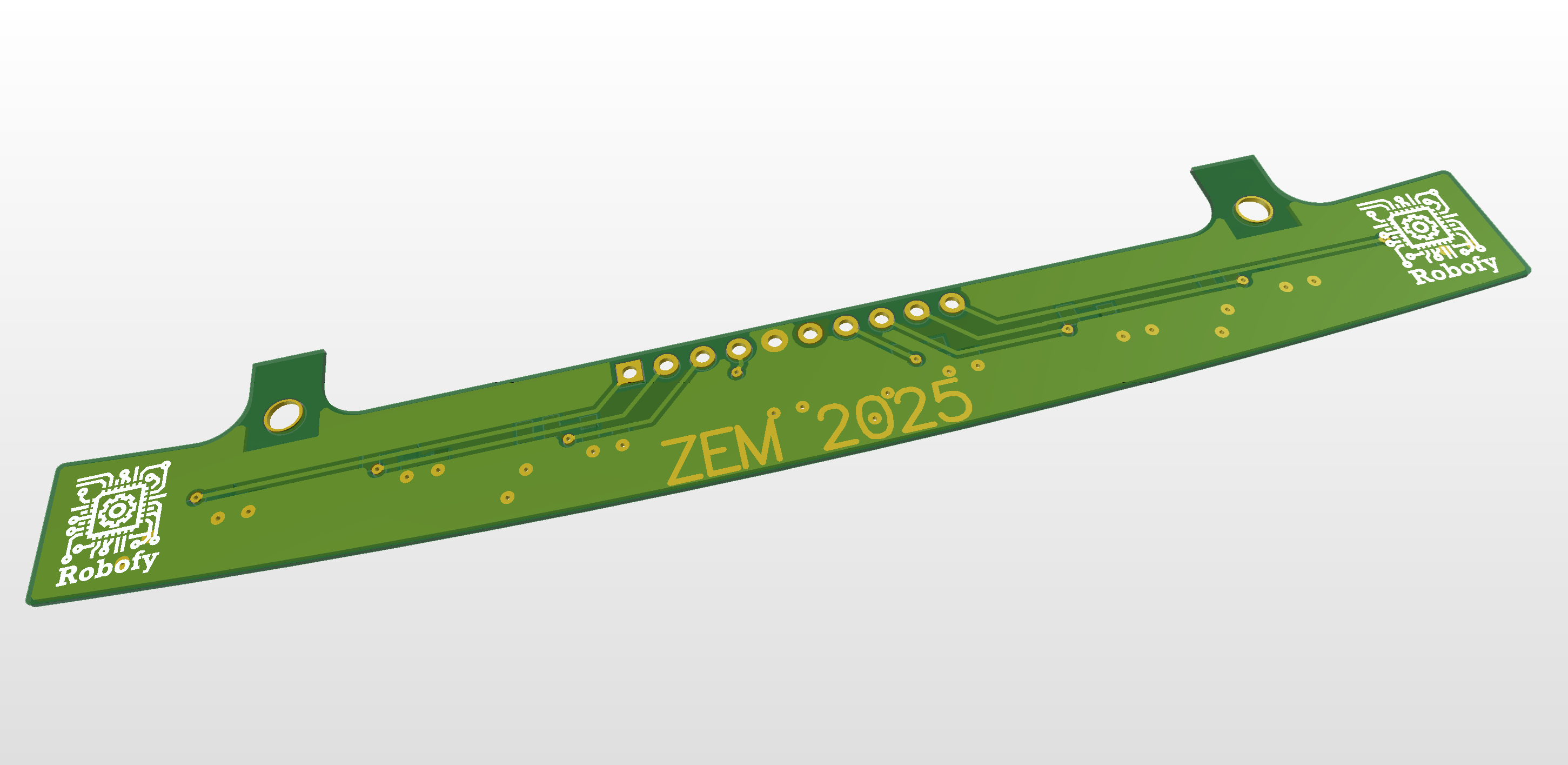
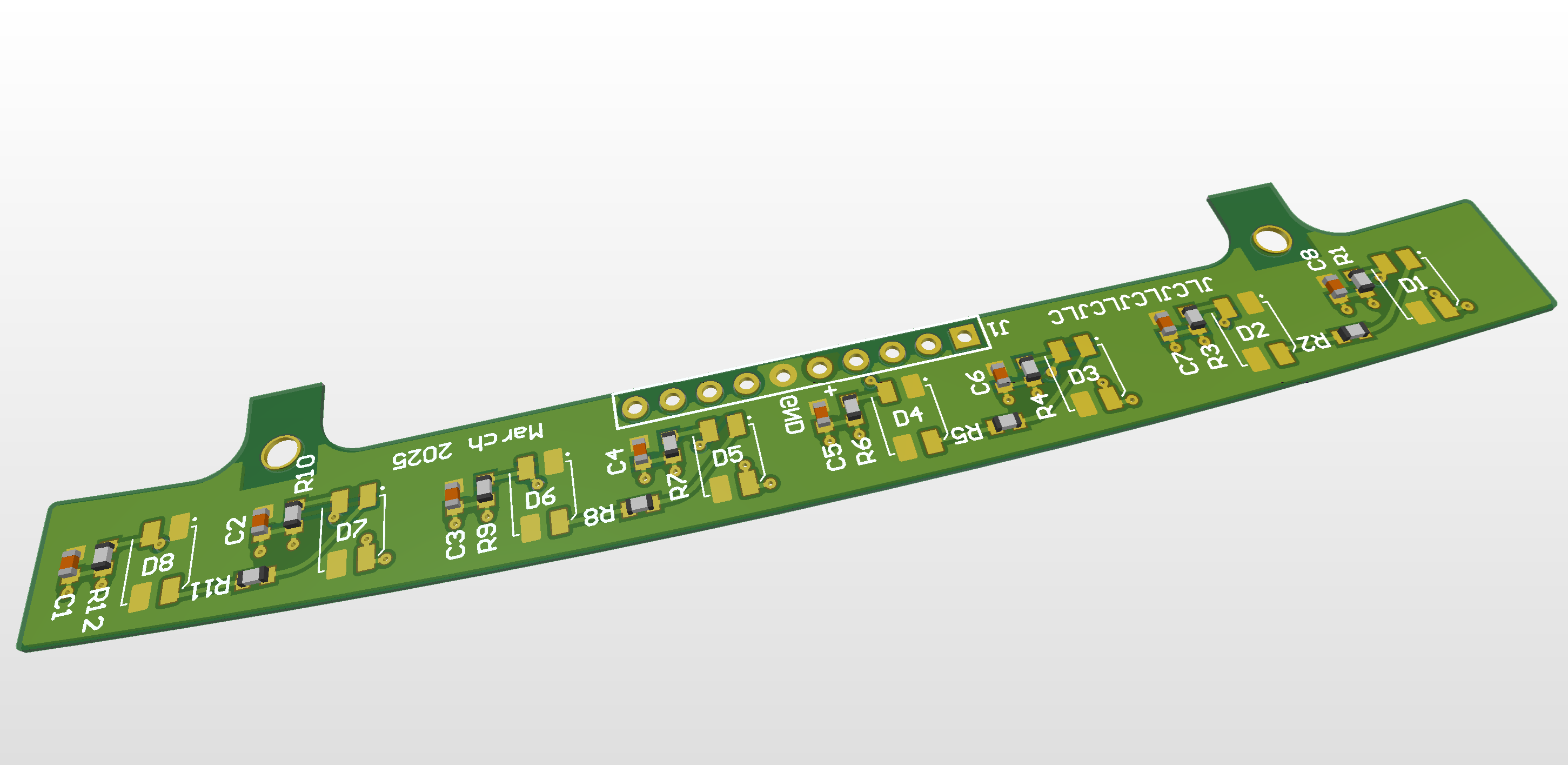
This PCB is for an IR Sensor Array for a Line Follower Turbo robot. It consists of 14 Everlight ITR8307 reflective optical sensors.
The PCB is designed to be mounted in the front of the robot, with the sensors facing downwards to detect the line on the ground.
The board is 150 mm long and has a connector for interfacing via an FFC cable with the main control board of the robot,
allowing it to provide real-time feedback on the position of the line relative to the robot's trajectory.
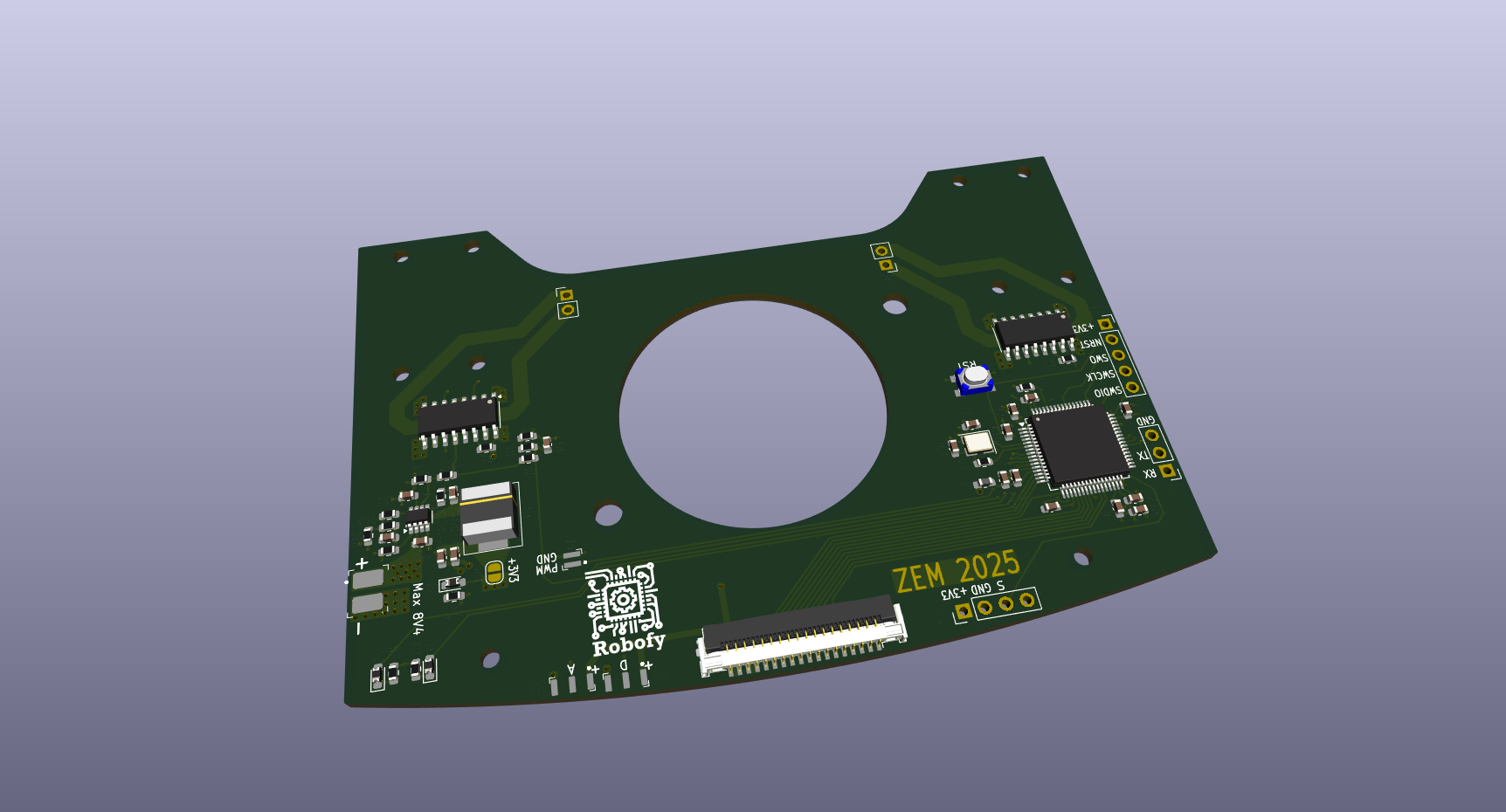
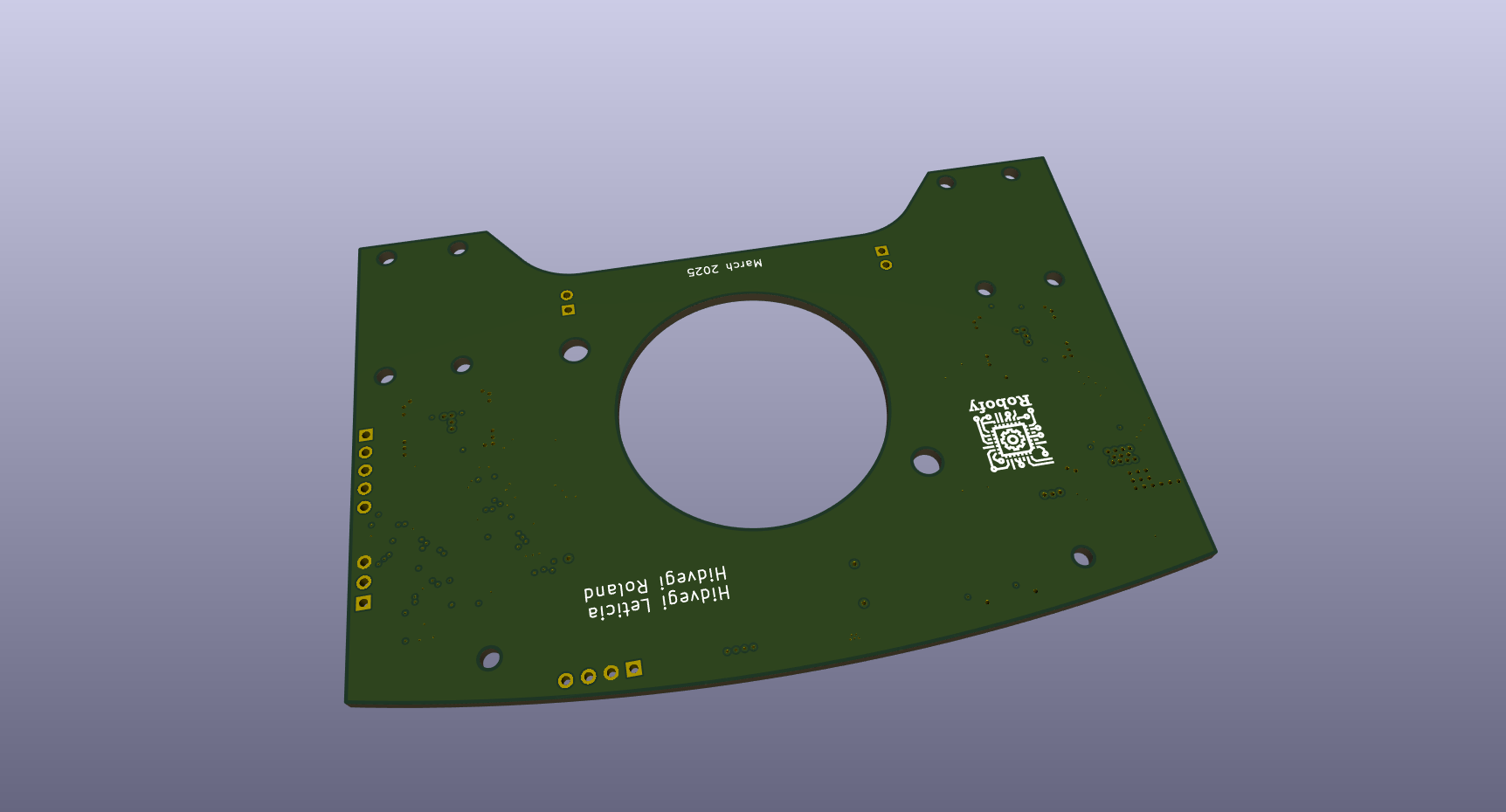
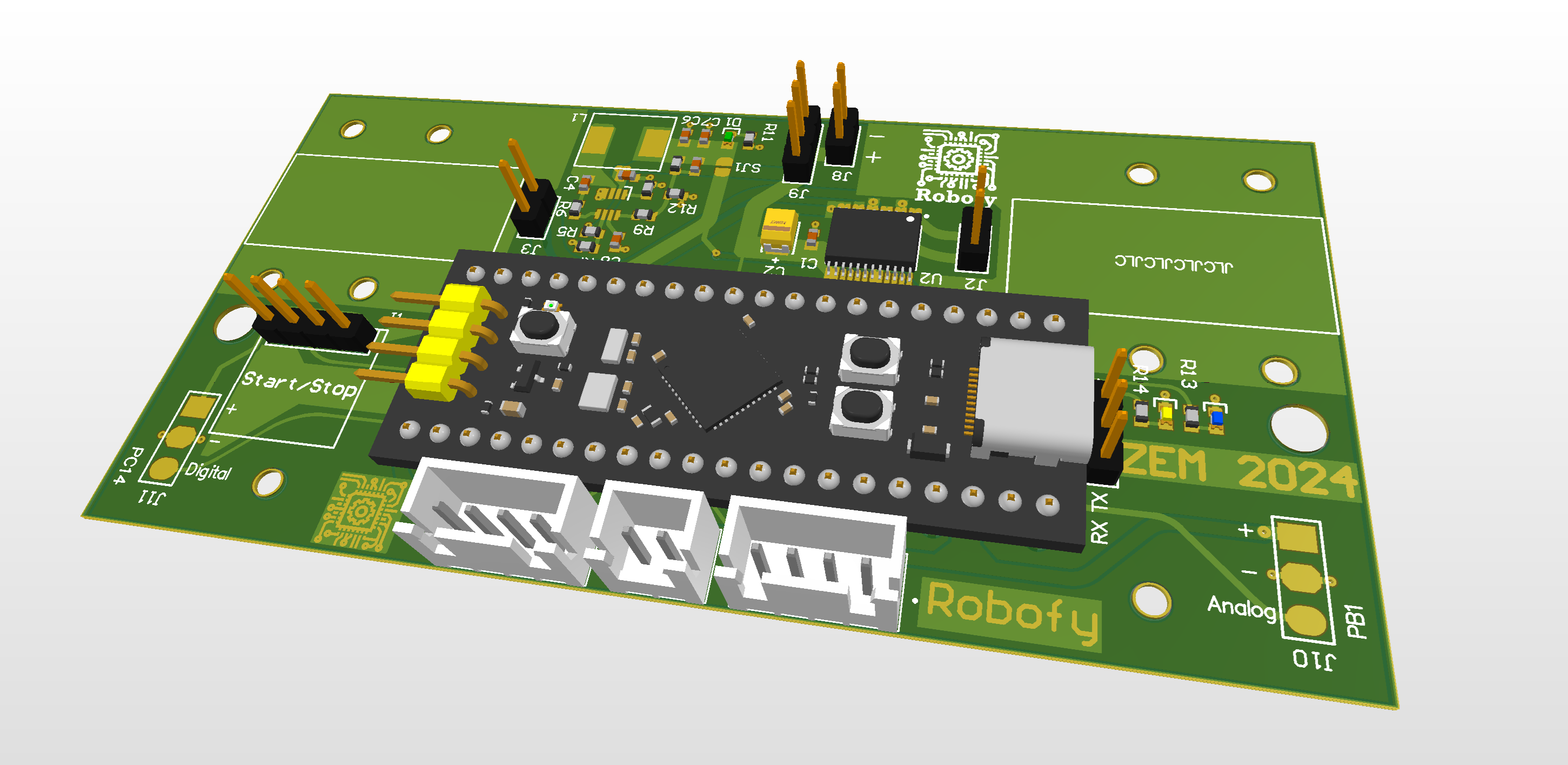
Driving two high torque, high speed N30 brushed DC motors with 2 STM integrated H-bridge drivers,
this line follower turbo robot PCB is powered by an STM Cortex M4 microcontroller.
Equipped with a 3V3 power regulation IC that converts the 3S LiPo battery's voltage
and exposing connectors for the EDF and a start/stop module, this board is equiped with advanced PID algorithms for precise control.
It competed in the 2025 Mechatronics Education Day competition held in Craiova, Romania and was the only robot to have a custom-designed EDF turbine motor driver.
Lorem ipsum dolor sit amet, consectetur adipiscing elit. Donec auctor, nisl eget ultricies lacinia, nunc nisl aliquam nisl, eget aliquam nunc nisl eget nunc. Donec auctor, nisl eget ultricies lacinia, nunc nisl aliquam nisl, eget aliquam nunc nisl eget nunc.
Lorem ipsum dolor sit amet, consectetur adipiscing elit. Donec auctor, nisl eget ultricies lacinia, nunc nisl aliquam nisl, eget aliquam nunc nisl eget nunc. Donec auctor, nisl eget ultricies lacinia, nunc nisl aliquam nisl, eget aliquam nunc nisl eget nunc.
Lorem ipsum dolor sit amet, consectetur adipiscing elit. Donec auctor, nisl eget ultricies lacinia, nunc nisl aliquam nisl, eget aliquam nunc nisl eget nunc. Donec auctor, nisl eget ultricies lacinia, nunc nisl aliquam nisl, eget aliquam nunc nisl eget nunc.
Lorem ipsum dolor sit amet, consectetur adipiscing elit. Donec auctor, nisl eget ultricies lacinia, nunc nisl aliquam nisl, eget aliquam nunc nisl eget nunc. Donec auctor, nisl eget ultricies lacinia, nunc nisl aliquam nisl, eget aliquam nunc nisl eget nunc.
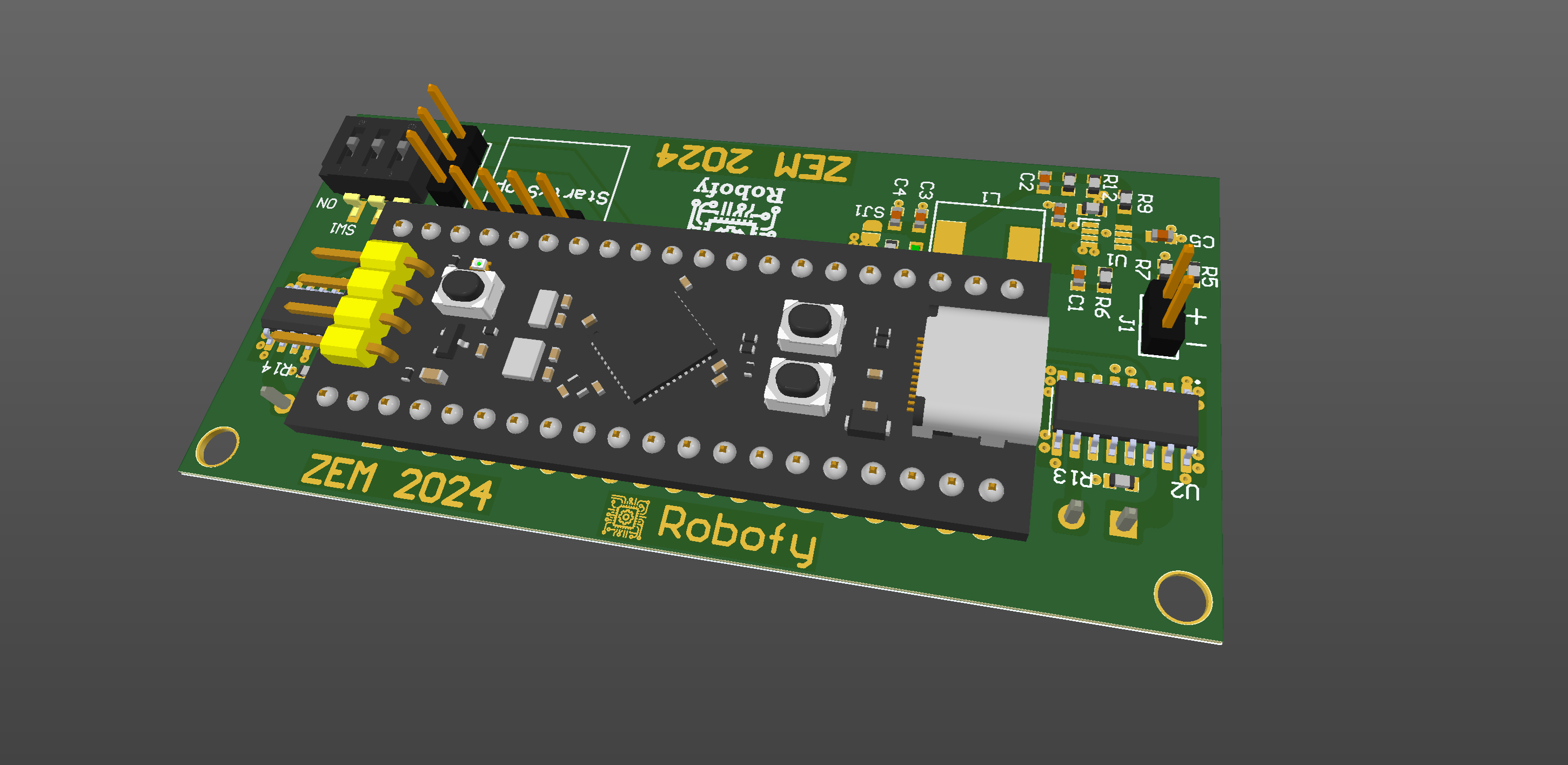
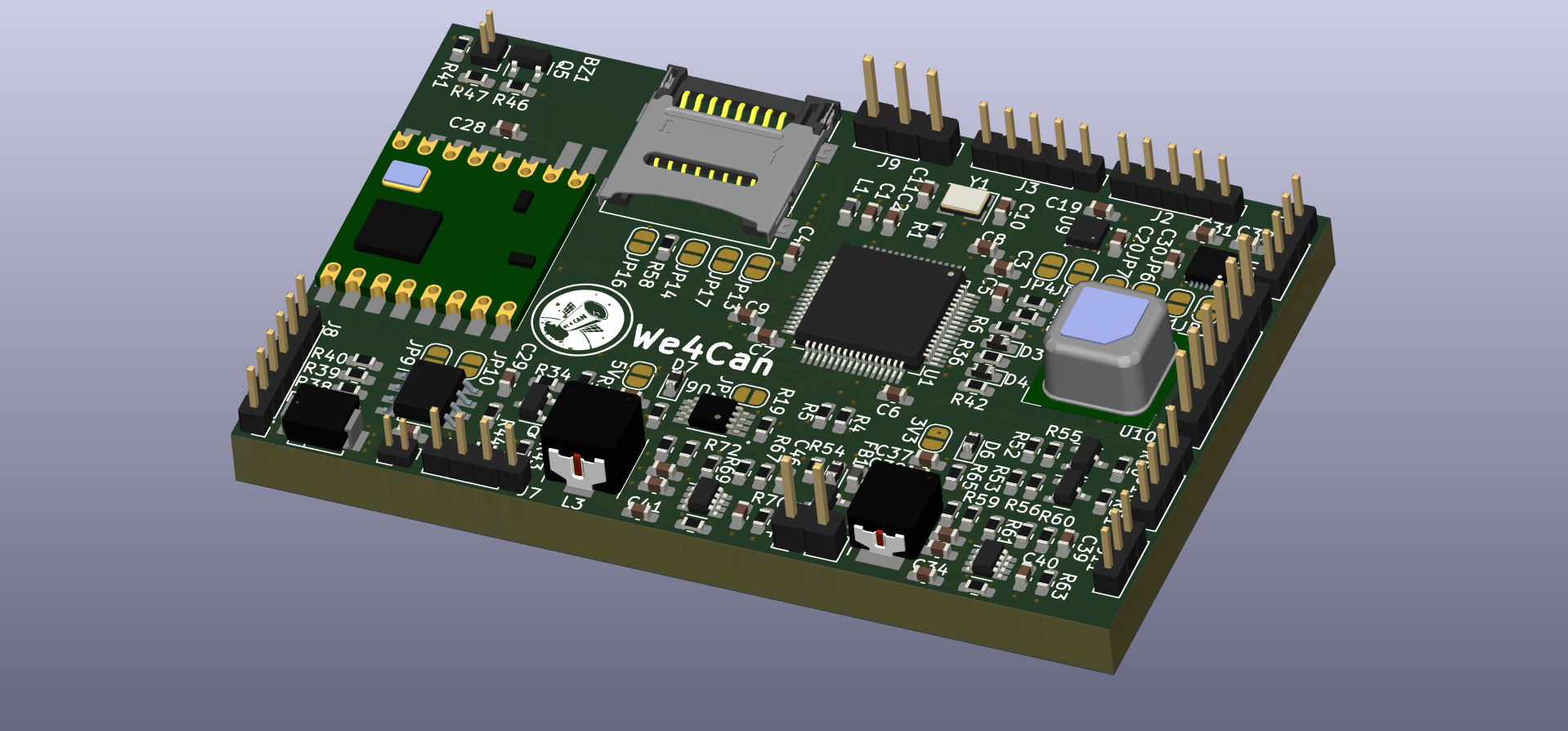
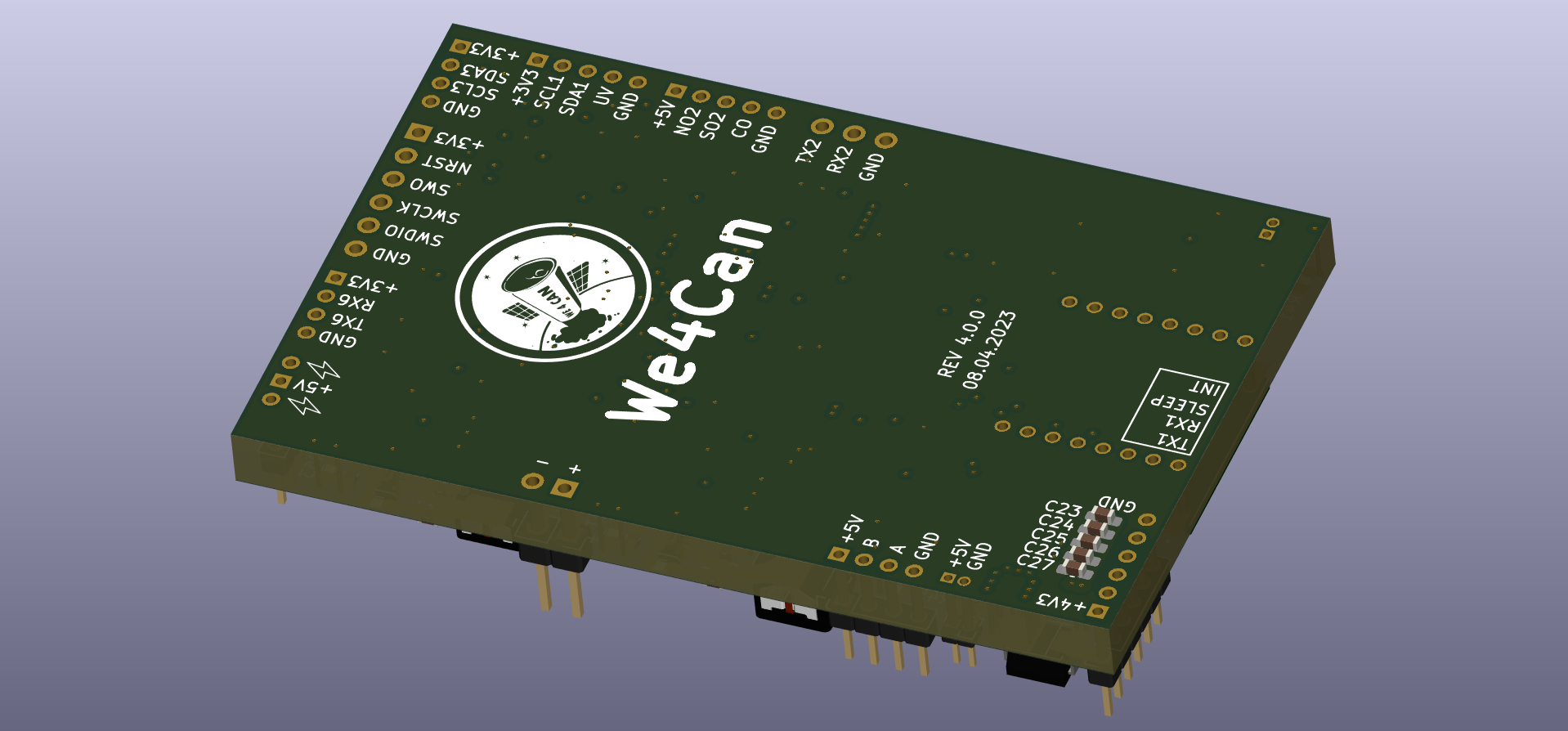
This is the PCB I am most proud of.
It is the main PCB of the CanSat that participated in the 2023 national phase of the Romanian CanSat and Rocketry Competition. It contains a lot of features tightly packed together,
such as 2 synchronous step-down switching mode converters for 3V3V and 5V rails, a microcontroller, a LoRa RF module, a microSD conector, and various sensors:
temperature, humidity, pressure, a 6-axis IMU, particulate matter concentration sensor, CO2 concentration sensor, as well as connectivity for a GPS module, a GSM module,
a buzzer, a solar irradiance sensor, an RS485 soil sensor, connector for the UV light intensity sensor, and 4 analog inputs for the electrochemical gas sensors that measure the concentration of
SO2, NO2, CO.
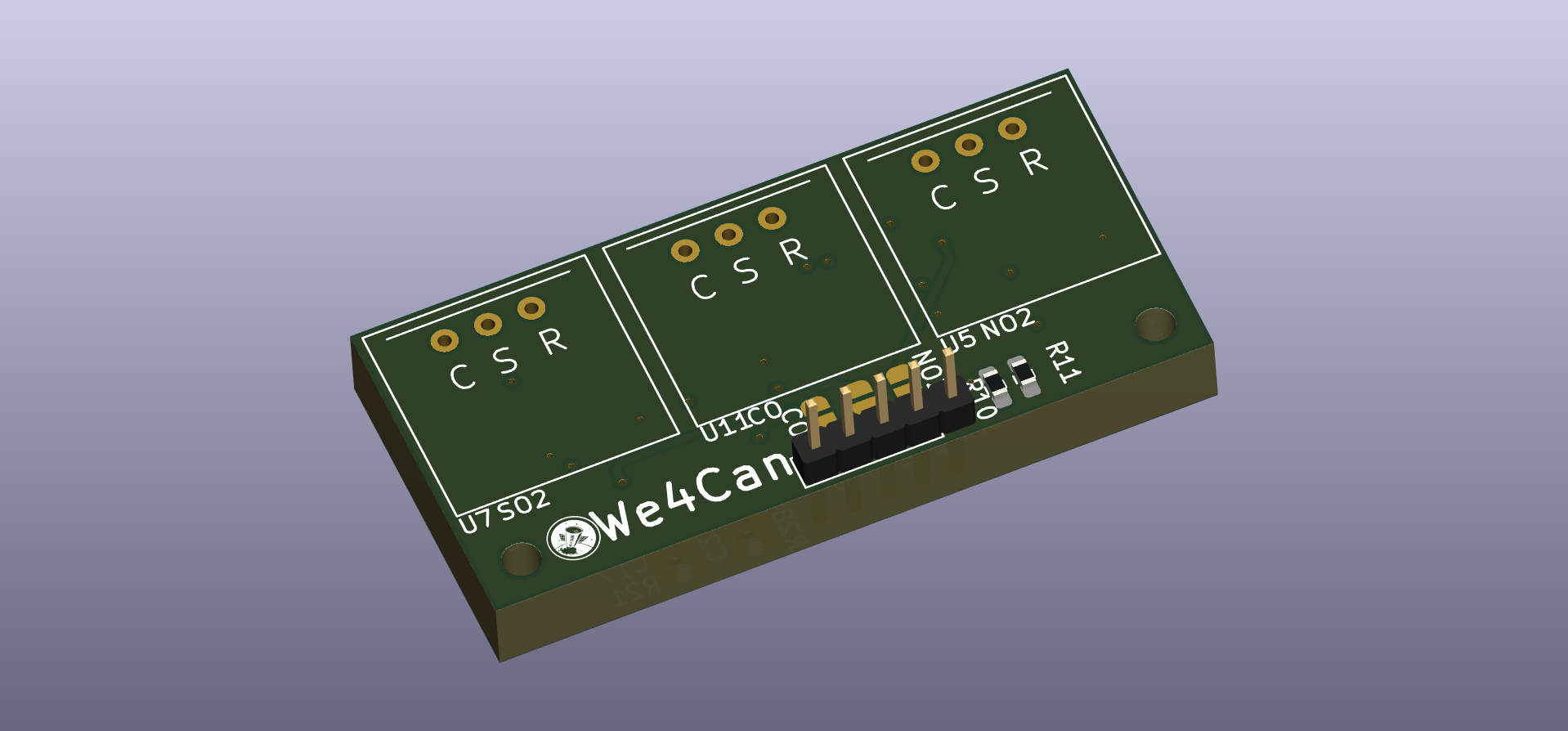
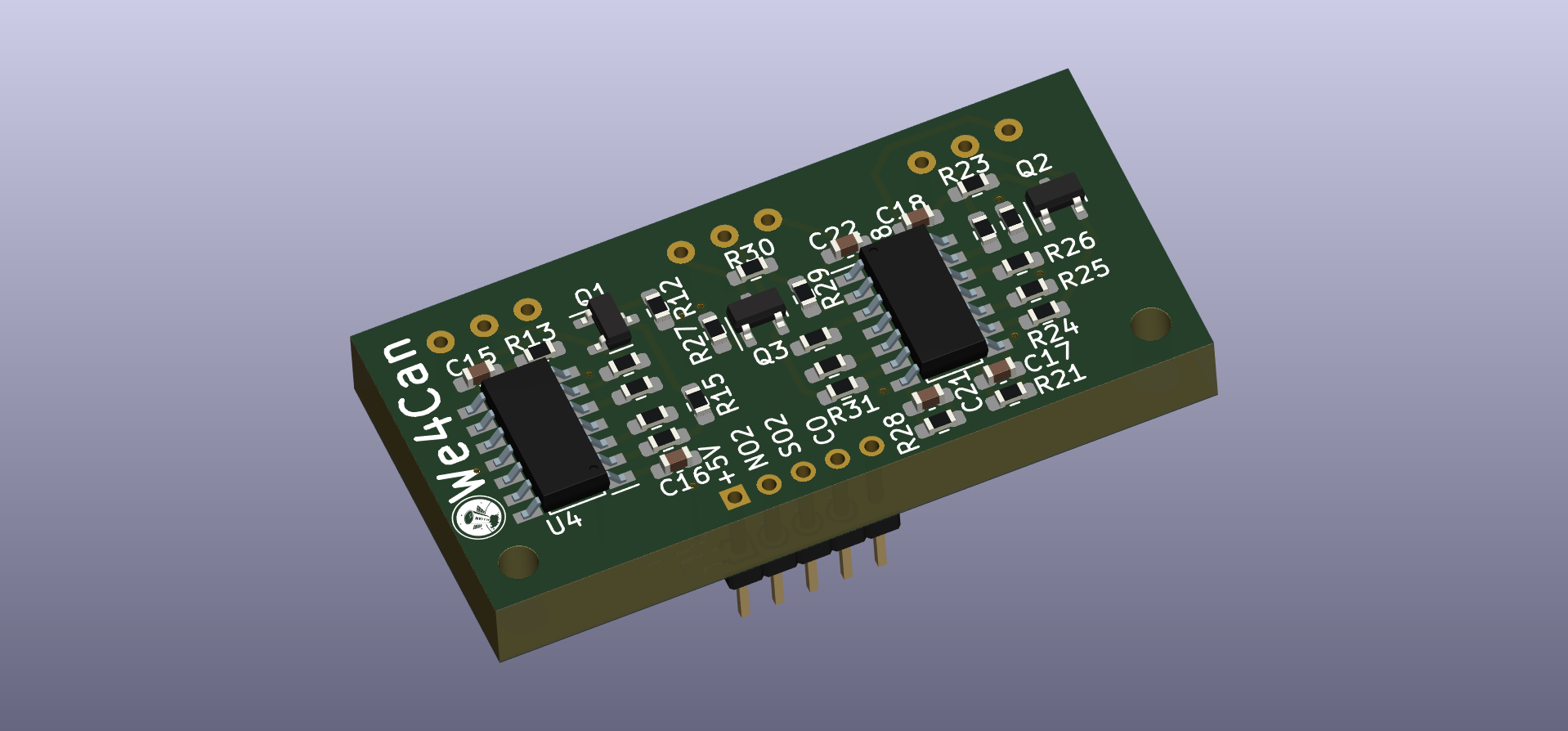
This is the additional PCB for the special electrochemical gas sensors used in the CanSat.
They are highly sensitive and selective to the specific target gas, but are not straightforward to use.
This PCB required an enormous amount of research and time to design.
It contains 3 trans-impedance amplifiers (current-to-voltage converters) because
these sensors have their output in current, not in voltage. Additionally, potentiostatic circuits
maintains the correct bias potential between the sensing and reference electrodes.
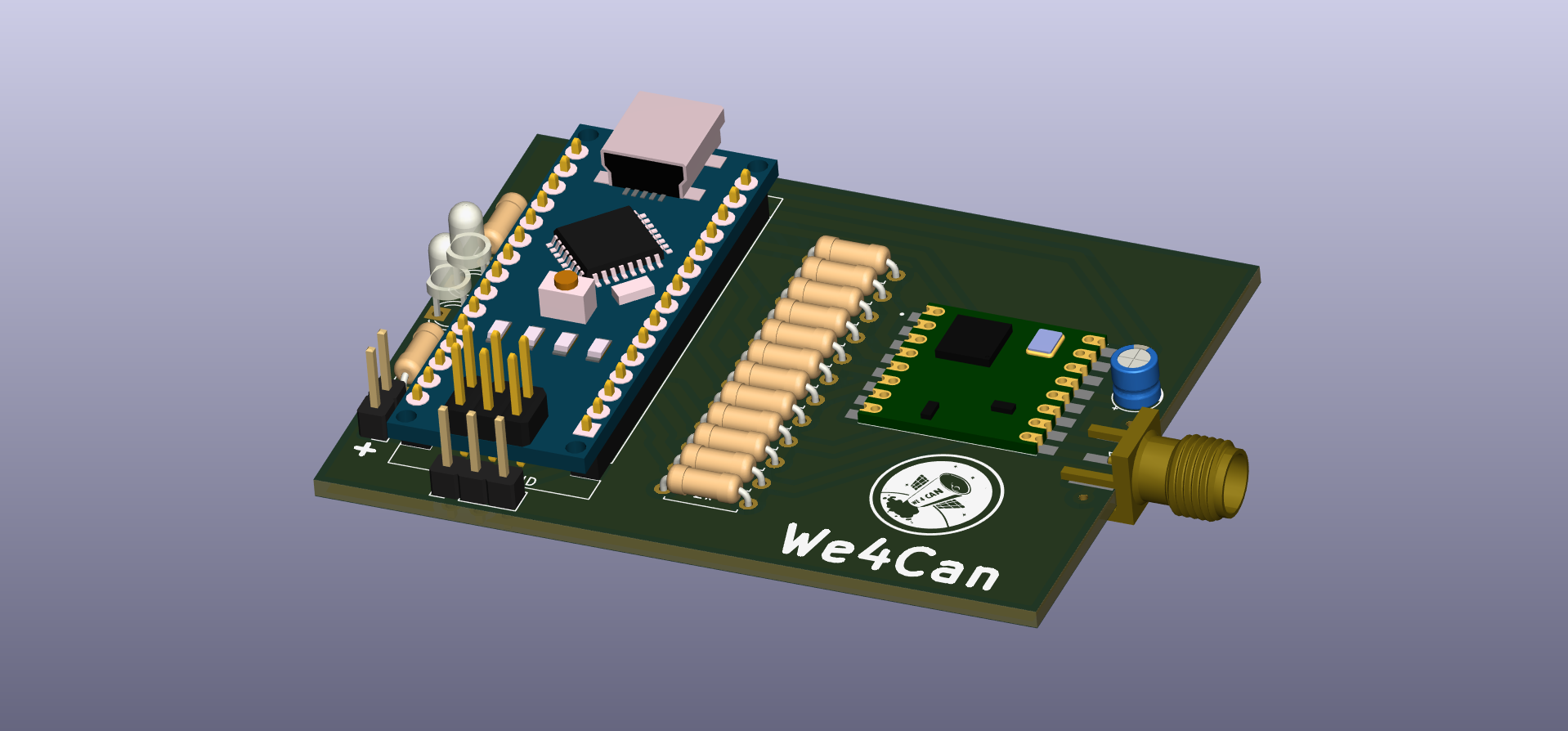
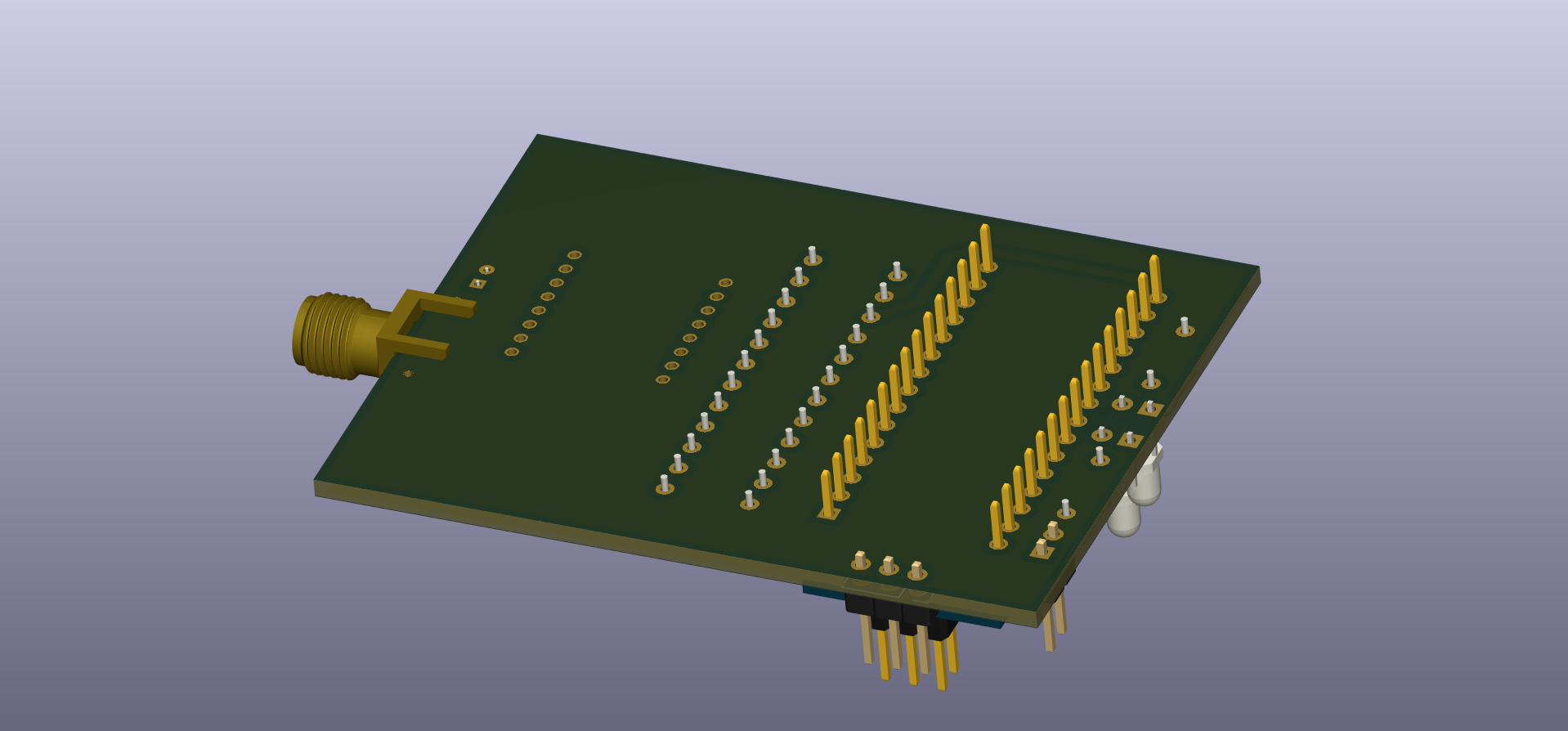
This is the receiving LoRa RF radio station for the CanSat.
It contains a LoRa RF module, an Arduino Nano, some status LEDs, and a SMA connector for the special 7 element Yagi antenna.
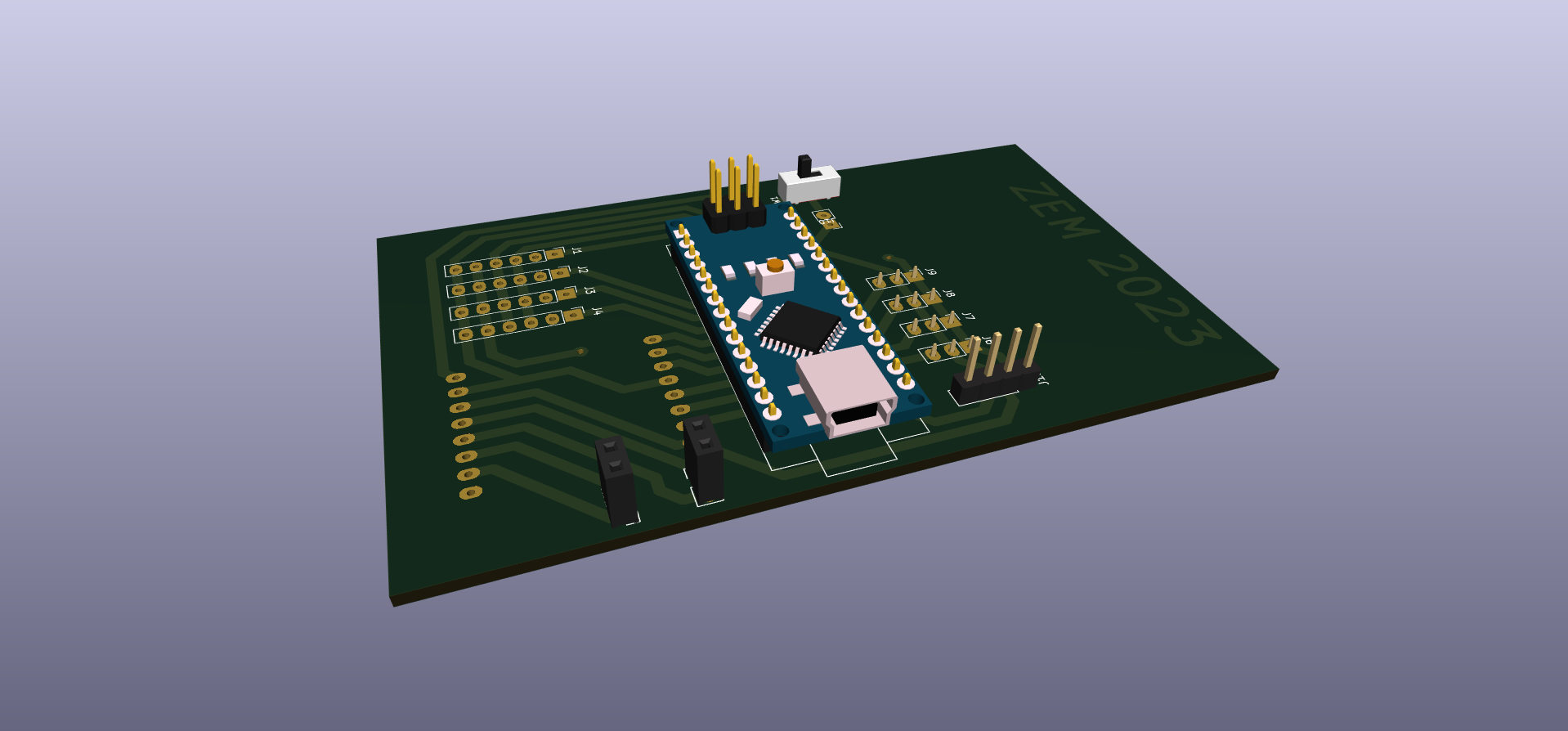
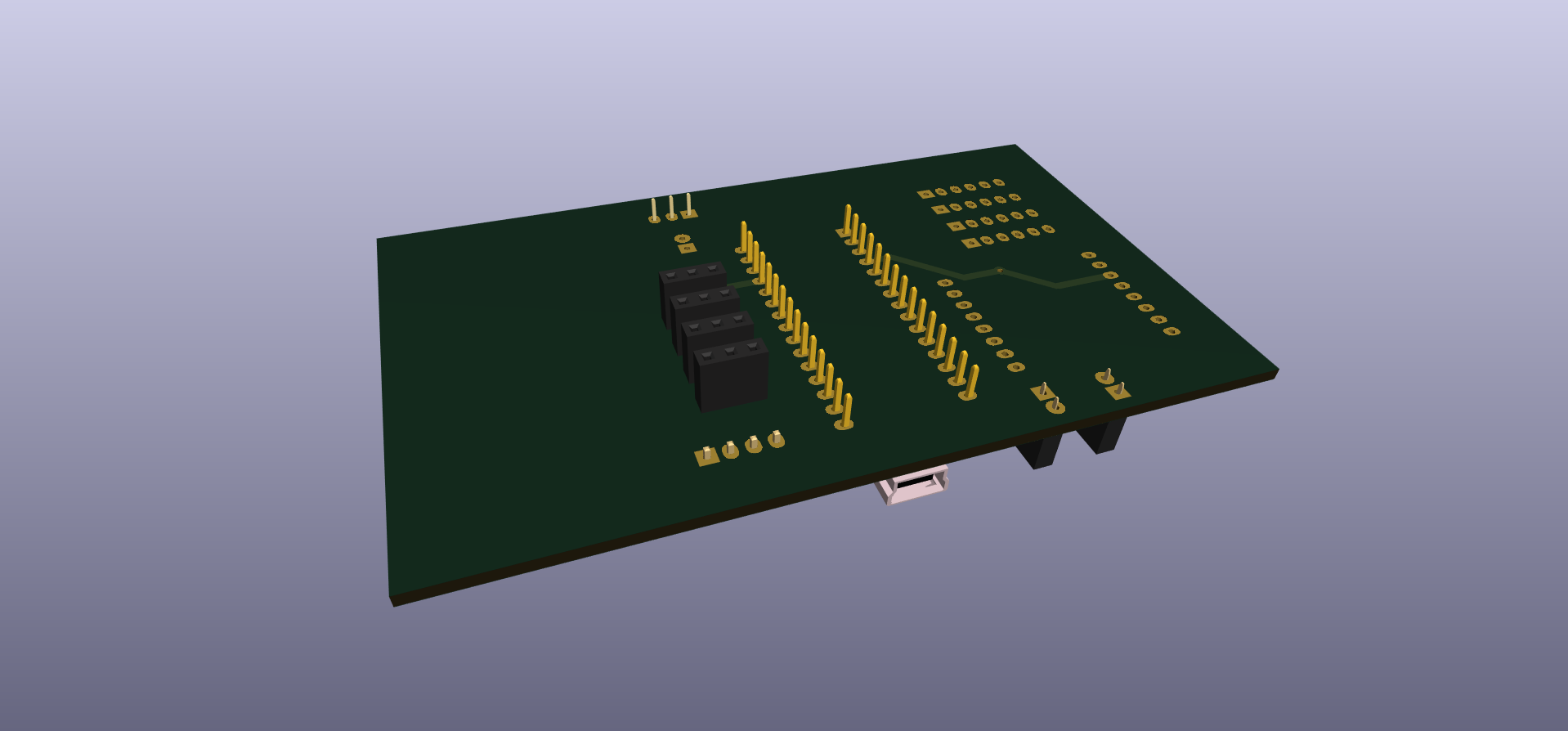
This PCB doesn't include any special features, but it was my first manually-etched board, produced using toner-transfer
and ferric chloride on a copper-plated textolite sheet.
It contains only an Arduino, an external 2-channel motor-driver module, 4 connectors for color sensors
that detect the edge of the sumo ring, and 4 connectors for distance sensors.
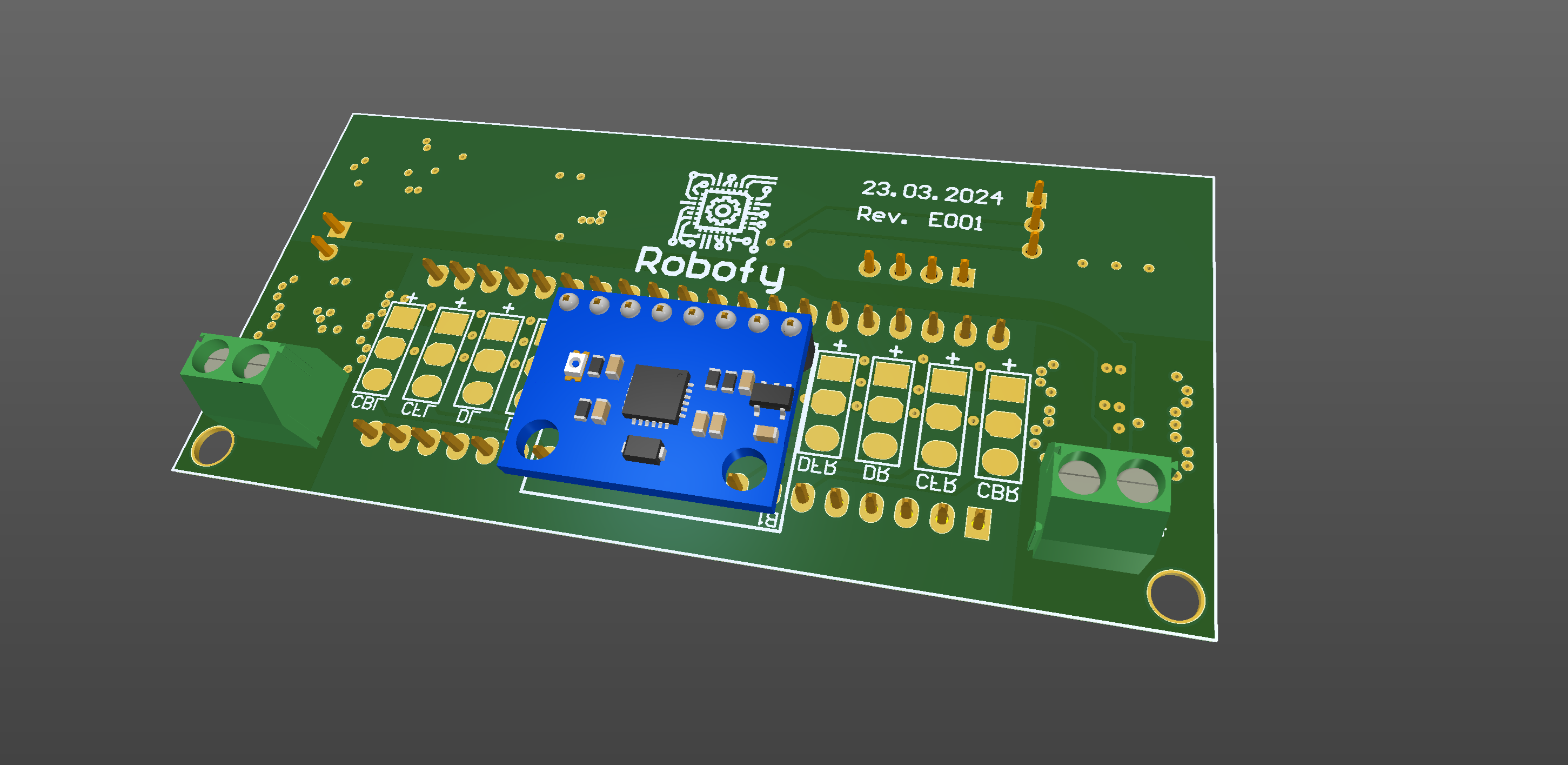
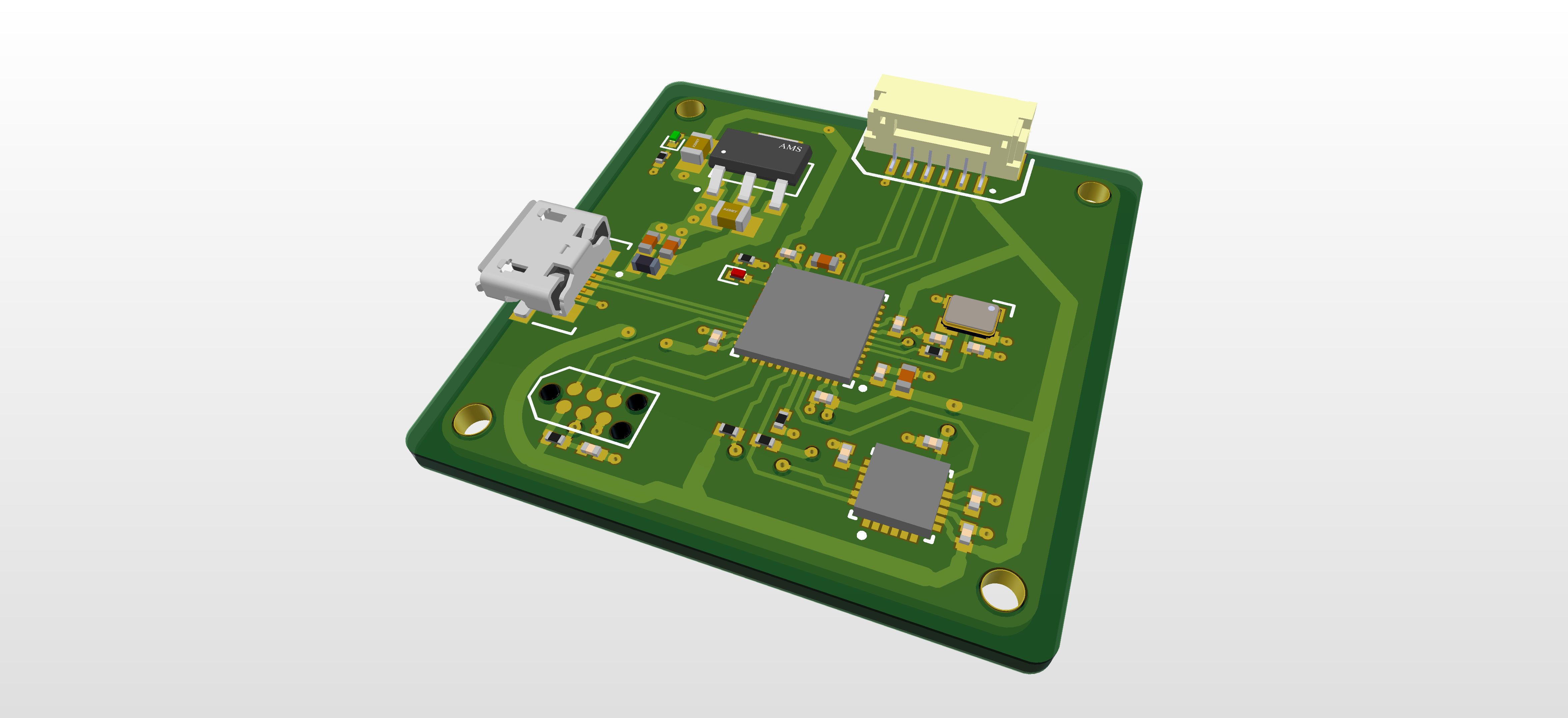
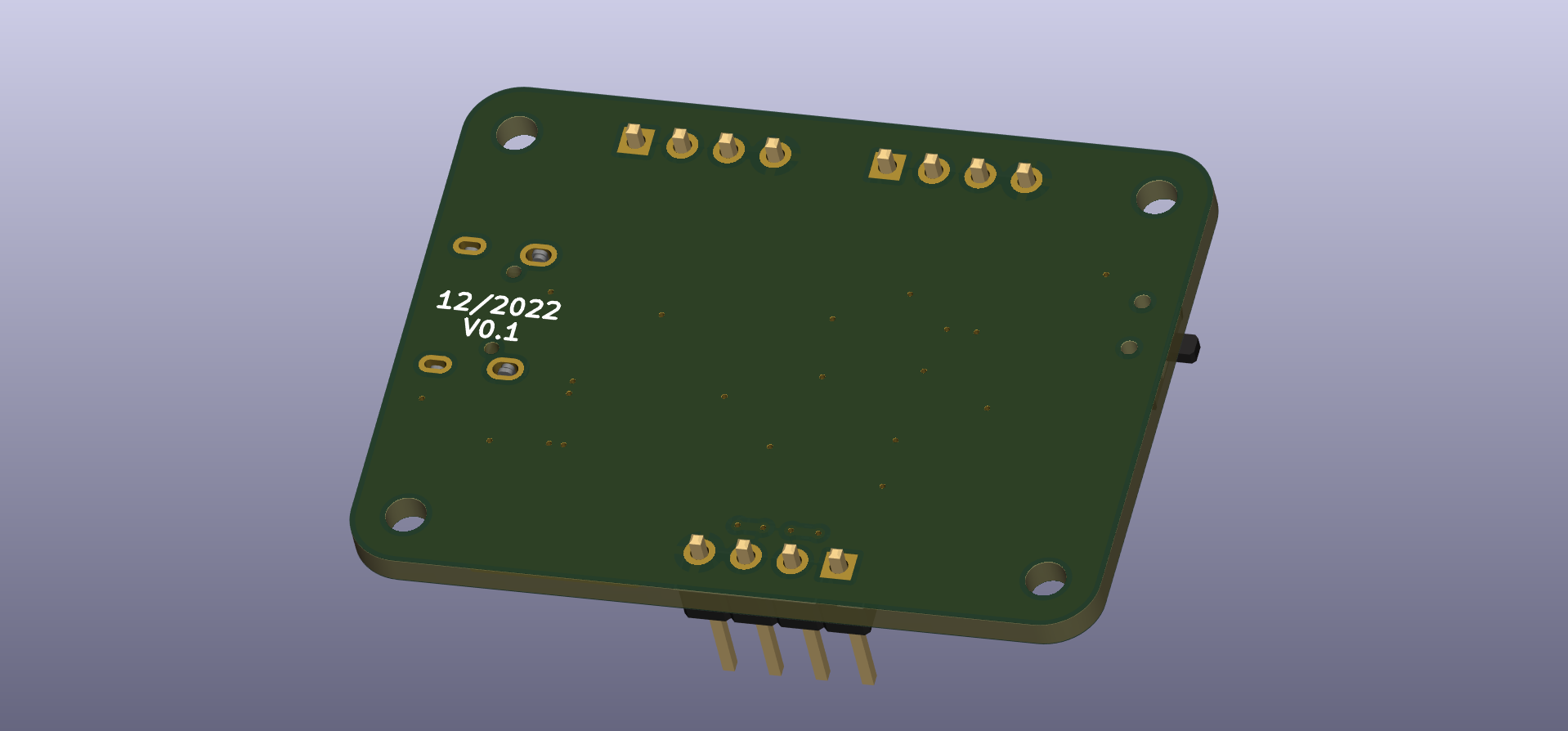
This board is my first more complex Altium design. This PCB has an MPU-6050 3-axis accelerometer and gyroscope onboard and
a connector for attaching an external SPI device on the SPI-1 interface. The connector pins can be reused as GPIO pins, as well.
The 3V3 rail for supplying the board is provided by an LDO regulator.
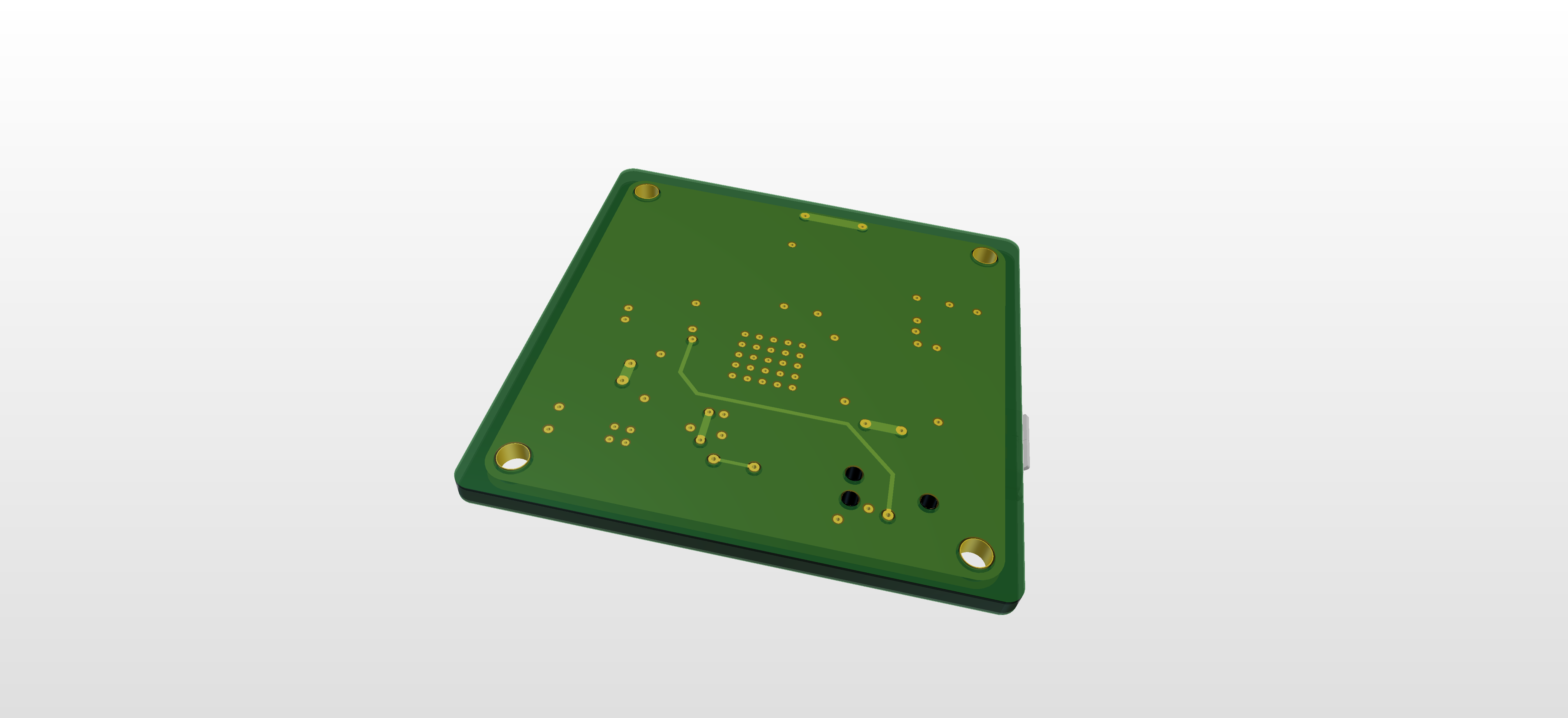
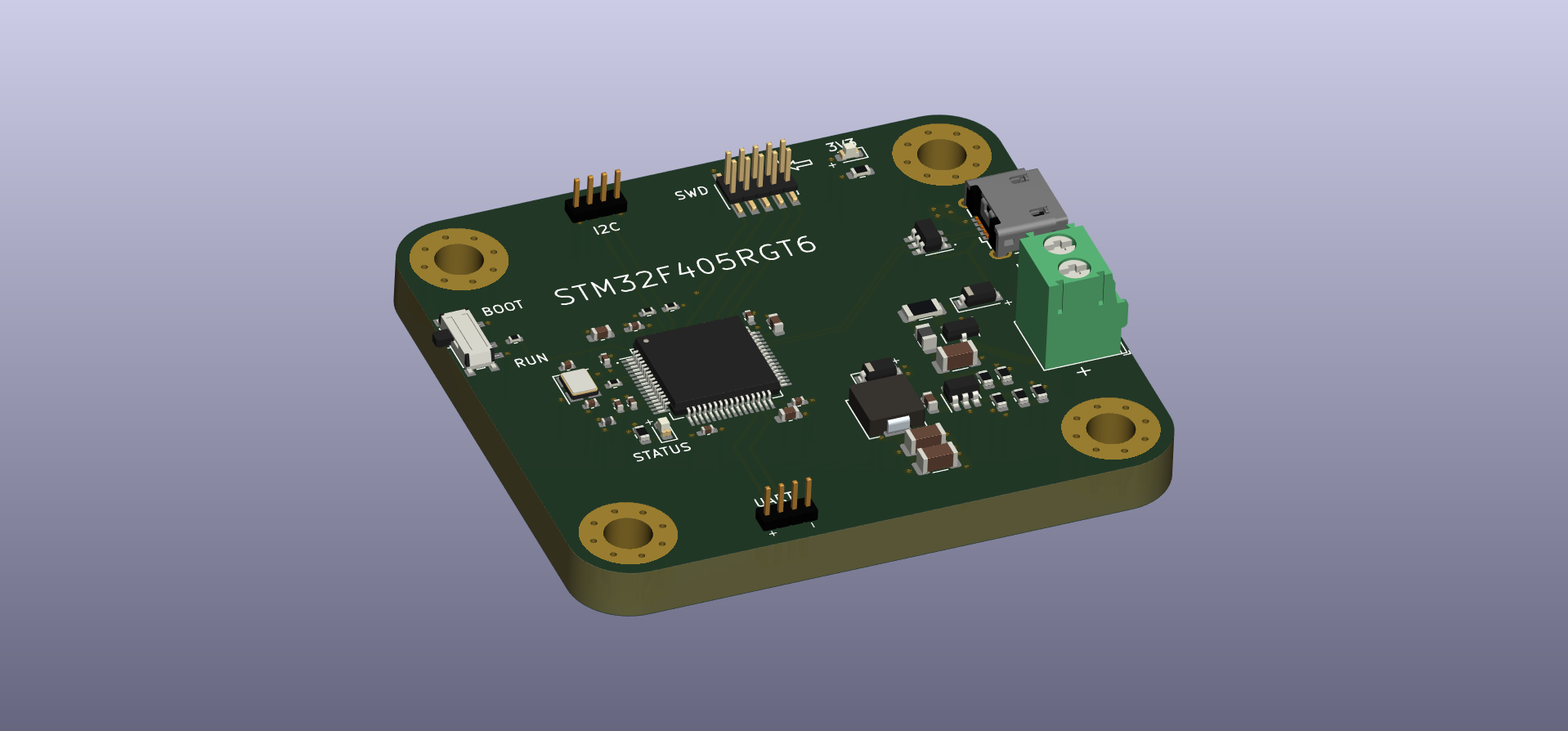
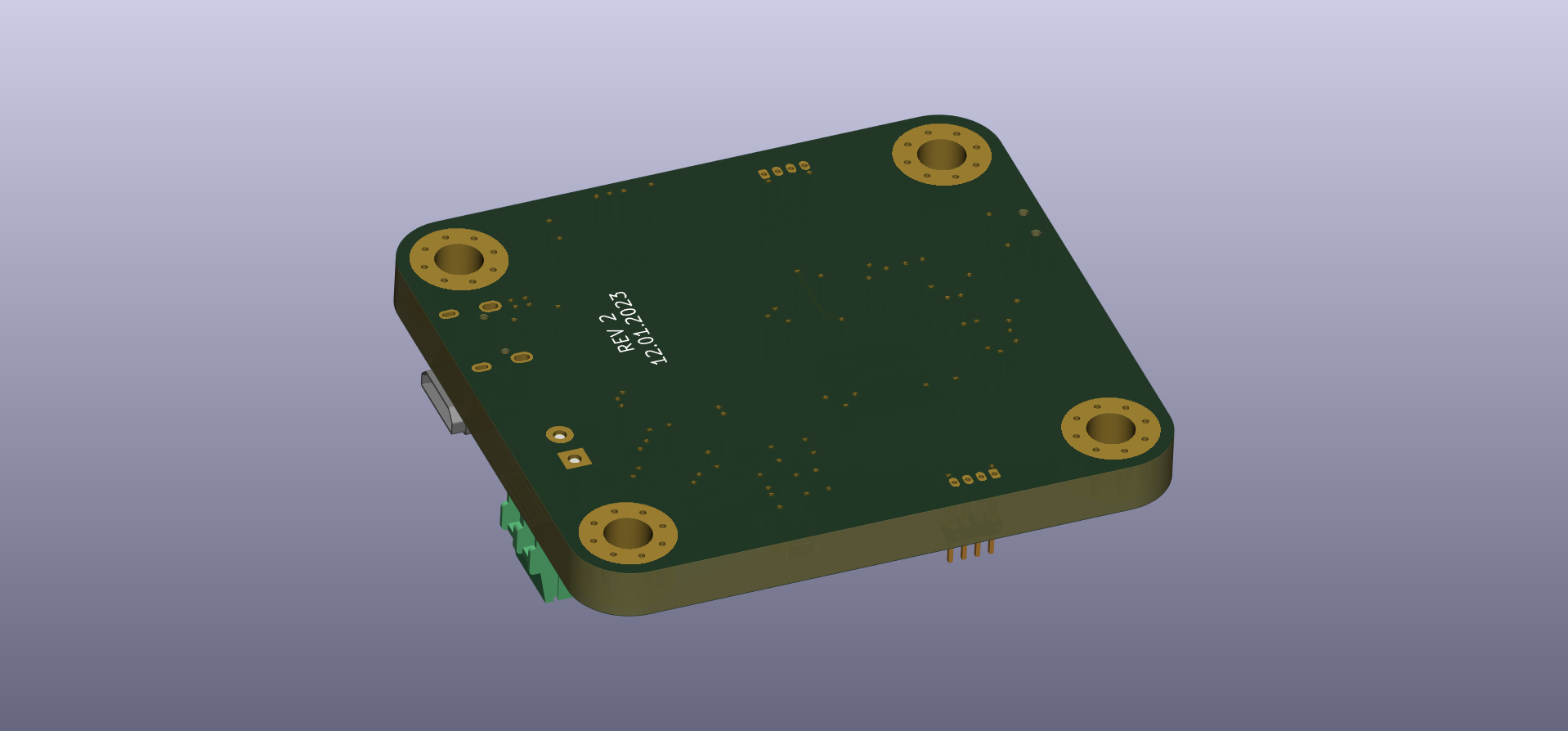
This is my first 4 layer PCB.
I chose the STM32F405RGT6 microcontroller because it offers 1 Mbyte of flash memory, a powerful Cortex-M4 core with
floating-point support,
generous SRAM, and plenty of peripherals. That combination gives me the headroom to implement advanced control
algorithms, robust communication interfaces, and future firmware updates for following increasingly complex projects.
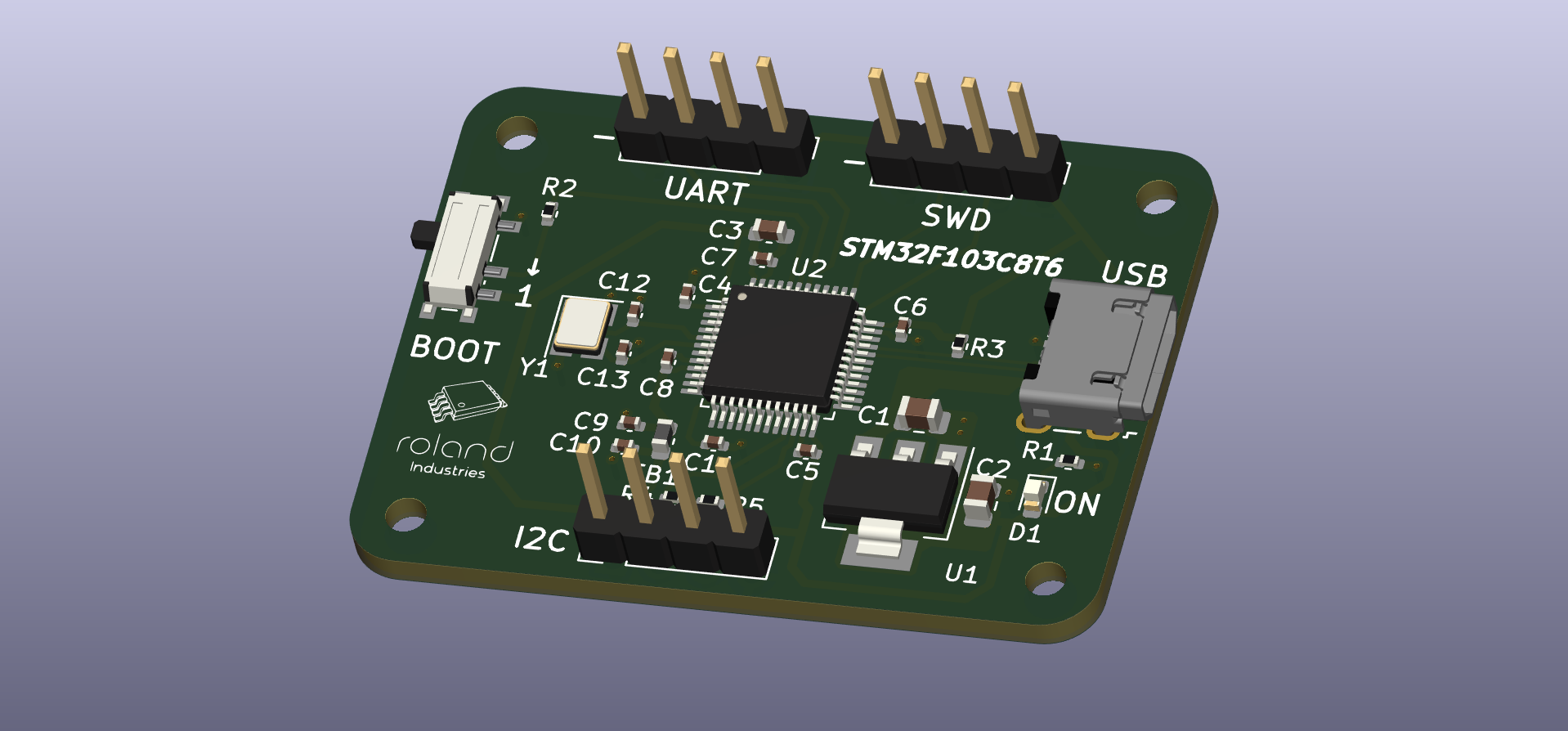
This is the first PCB I ever designed.
It is a simple microcontroller with UART and I2C interfaces, with an aditional SWD debugging connector.
I must admit that I had a few abandoned attempts with EasyEDA before,
but this is my first project that is technically viable and would work for sure. However, this PCB was never physically manufactured.
Get In Touch